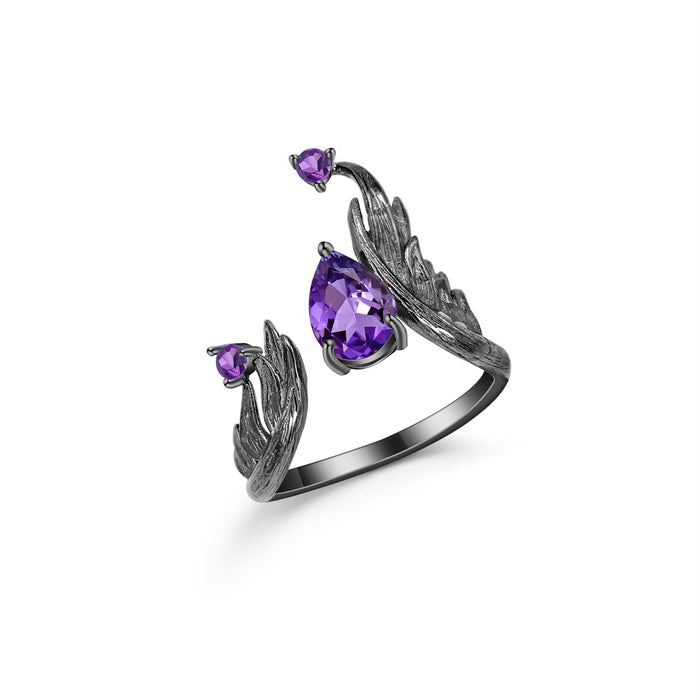
Amethyst · a moment of stillness
Pair violet with your chosen piece as a personal reminder to pause.
Explore the piece · £149.00 ↗


For nerve
A cabochon star ruby does not sparkle — it holds a six-rayed line of light that moves across the dome as your hand moves. The effect is called asterism, and it comes from needle inclusions crossing inside the stone.
925 sterling silver · natural stone · free UK delivery
Order today and it is with you by at the latest.
More rings
The story
Carried into battle in Burma by men who believed it made them impossible to wound. Belief, recorded — not a promise.
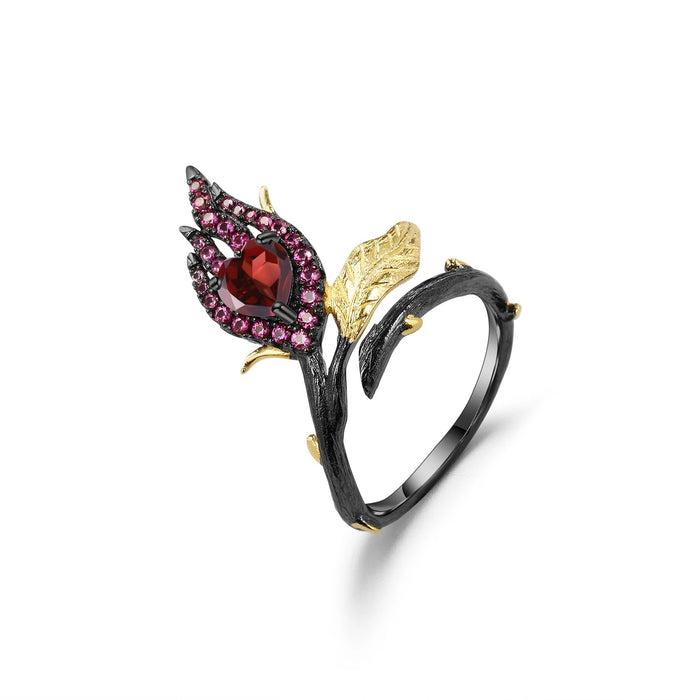
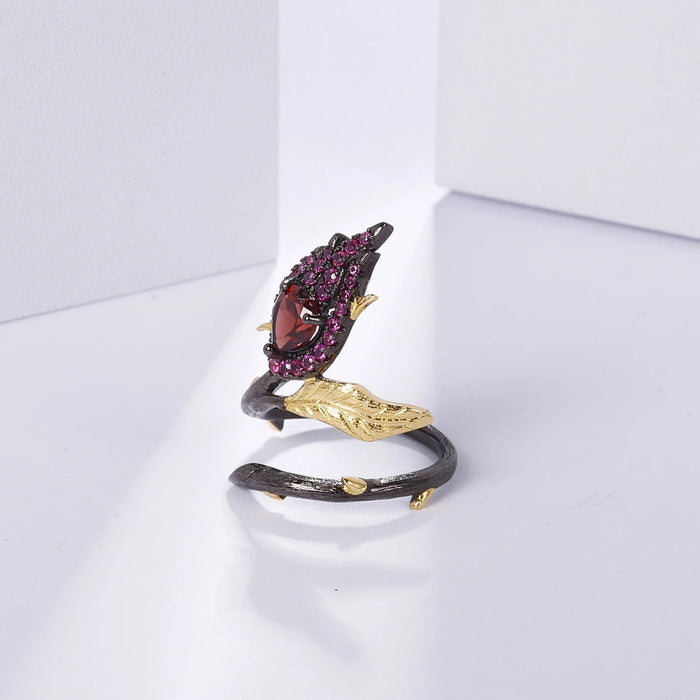
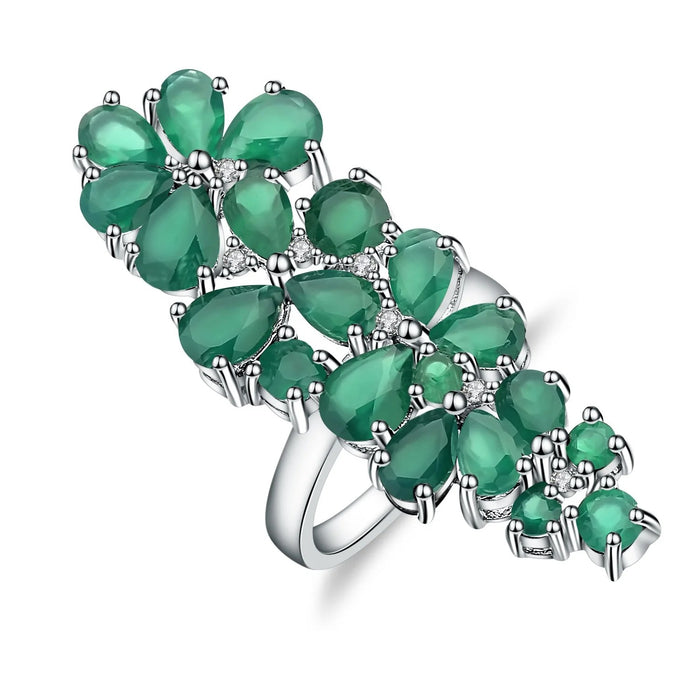
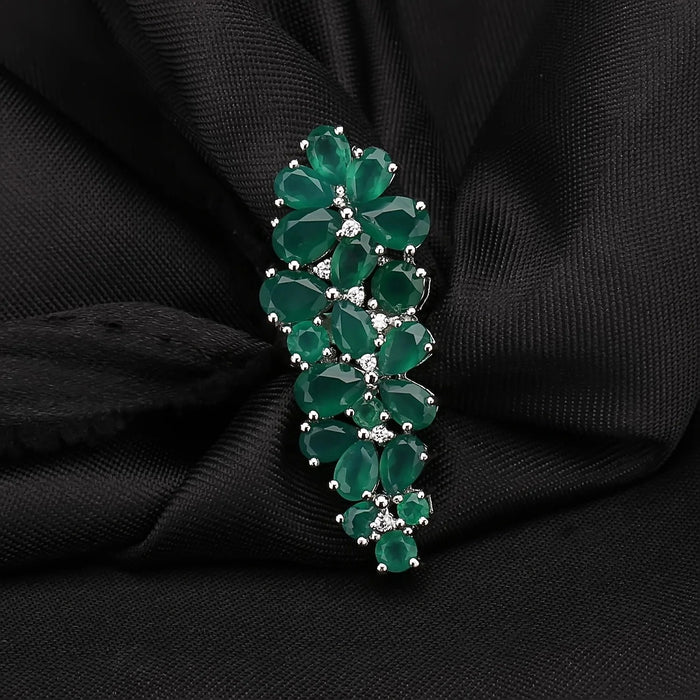
This one is lab-grown. We say so plainly: the crystal is grown rather than mined, the chemistry is the same, and the price reflects it. Around it, a band opens into small flowers and leaves in two tones.
Posted to you tracked. Supplier ring sizes for this design run US 5–10; tell us your UK size at checkout and we will match it.
Charged with ThetaHealing
The stone is the anchor, not the treatment — the thing on your hand when the feeling has gone and you need to remember what you agreed to.


The feeling download
Do you want to know
what it feels like?
not to be fearless,
but to want it
out loud.
Nothing is loaded without your word. Say it out loud when it arrives: I accept.
A spoken intention, not a treatment. The stone is the anchor, not the cure, and nothing here replaces a doctor.
Before you ask
It is posted to you directly from our maker, tracked and signed for — to the United Kingdom that is 5–10 days, usually within a week. The date in the buying panel above is the real latest date it should be with you; it moves forward every day and it is not a countdown put there to hurry you.
Solid 925 sterling silver, all the way through. We never plate base metal and call it silver. This particular design carries a plated finish over that silver, which is why it looks the colour it looks. Plating is a surface and it wears; the silver under it does not.
Closely. Star ruby is made or treated rather than pulled out of the ground, which means it is far more consistent piece to piece than a natural stone would be. We say which it is on this page rather than leaving you to guess.
Take the size you already wear on that finger. If you do not know it, the measuring guide on this page takes about two minutes with a strip of paper. Between two sizes, take the larger — a ring you can get off is worth more than a ring that only just goes on.
Fourteen days from the day it arrives to tell us, and a further fourteen to post it back — that is the Consumer Contracts Regulations 2013, and we do not try to write around it. Faulty or not as described is always our cost. The whole policy is here, in plain English.
The UK, the twenty-seven EU countries and Australia. To the UK the delivery is free on every order, tracked and signed for. Europe and Australia are free too, apart from the smallest bracelets, where a small tracked postage is shown at checkout, before you pay — never added afterwards. If your country is not on the list at checkout, we cannot post there yet, and we would rather say so than take your money and find out.
No. It is a ring, and it is a good ring on its own. The feeling download is written out above so you can read it, use it, or ignore it — nothing is charged for it and nothing is done without your say-so. Some people buy the piece for the stone and never think about the rest, and that is a completely ordinary way to own it.
No, and we will not pretend otherwise. What you read here about stones is history and folklore, told as history and folklore with dates and sources. A ThetaHealing feeling download is a spoken intention, not a treatment. Nothing on this page treats, prevents or cures anything, and none of it replaces a doctor.
Yes, and it gets a real answer from a person — before you buy, not after. Write to us here. If we do not know something about a piece, we will say we do not know rather than fill the gap.
Where you have been
The pieces you choose together
Styling ideas and personal intentions. These meanings are symbolic, not claims about what a stone will do.
Pair violet with your chosen piece as a personal reminder to pause.
Explore the piece · £149.00 ↗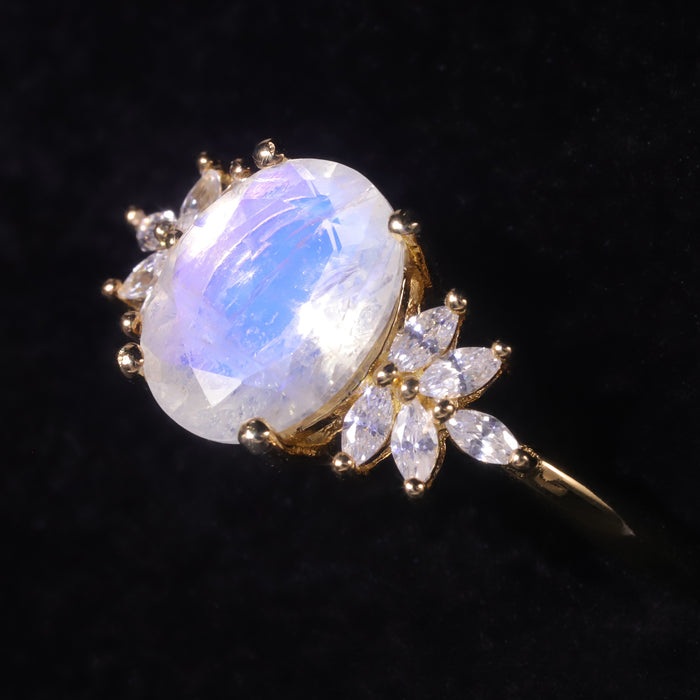
A softer contrast for a look that marks a beginning of your own.
Explore the piece · £139.00 ↗
A warm accent to carry your own idea of confidence and possibility.
Explore the piece · £189.00 ↗No reviews yet. Already wearing this piece? Share your experience to help someone find their ASİ.
Write to us and a person answers within one working day — not a ticket number and not a bot. If we do not know something about a piece, we will say we do not know rather than fill the gap.
Talk to us →Solid 925 sterling silver, all the way through. We do not plate base metal and call it silver. Where a piece carries a plated finish over that silver, it says so on its own page.
Questions →Named, every time. Where a stone is lab-grown or treated we say that too, by name, on the piece. We never write semi-precious, and we never call a treated stone natural.
The Codex →Fourteen days from delivery to change your mind, under the Consumer Contracts Regulations 2013, and a further fourteen to post it back. Faulty or wrong is always our cost, whatever it is.
Returns and refunds →Behind ASİ · Founder & ThetaHealer
I am a young entrepreneur and ThetaHealer. ASİ is where my love of jewellery meets my interest in intention, personal meaning and the stories we carry.
I am building a brand for people who want to feel a connection to what they wear. A stone, an animal or a small knot can become a reminder of something you choose for yourself.
ThetaHealing is part of my personal practice and the perspective I bring to ASİ. I see jewellery as a place for a personal intention: a quiet pause, a new beginning, or a promise to yourself. You decide what your piece means.
Stone meanings on this site are symbolic associations, not promised physical or psychological effects. Jewellery and spiritual practices do not replace healthcare.
Created with intention.
Ask me about a piece ↗01Meaning before noiseA piece begins with a story you can make your own.
02Honesty in every detailStone, metal, finish and delivery are named plainly.
03Your intention, your wordsSymbolism is an invitation, never a promised effect.